Multimedia Story Draft
For my multimedia story, I will be hiking to Quarry Rock through the Baden Powell Trail in North Vancouver.
The Adventure
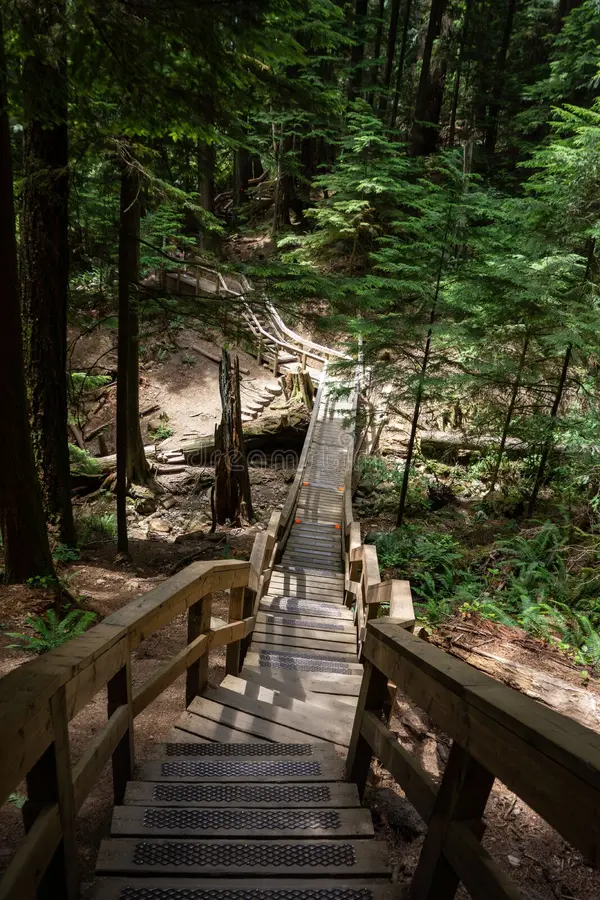
Rather than focusing only on the lookout at the end, I wanted the story to follow the progression of the trail itself. One thing I noticed while planning the route was how many bridges are scattered throughout the hike. They naturally break up the trail into sections, so I decided to use them as checkpoints throughout the story. The idea is to guide the audience through the forest step by step before reaching the open view at Quarry Rock.
The hike starts in Deep Cove and follows the Baden Powell Trail up toward the lookout. Even though it’s a popular trail, there are still a few things to prepare for since the terrain can get uneven with exposed roots, rocks, and mud depending on conditions. I’m keeping my setup simple by bringing proper running/trail shoes, water, a light jacket, and just using my phone to capture photos, videos, and audio clips throughout the hike.
I’ve done the trail before, but for this project I’ll be paying more attention to the smaller details along the route, especially the bridges and how the environment changes as the elevation increases.
Shape of the Story
The structure of the project is going to follow the hike chronologically, with each bridge acting as its own section or “chapter.” Instead of one continuous stream of content, the audience moves through the trail in stages before eventually reaching Quarry Rock. I think this makes the experience easier to follow and helps create a much more immersive story.
Media and Learning Principles
To put everything together, I’ll be combining written reflections, photography, ambient audio, and short narration clips. A lot of my design choices connect directly to Mayer’s Cognitive Theory of Multimedia Learning, especially the idea that people process visual and auditory information separately while still having limited cognitive capacity. Because of that, I want the project to feel focused and organized instead of overloaded with effects, text, or unnecessary visuals.
The principle that connects most directly to my project is segmenting. Instead of showing the entire hike continuously, the bridges divide the experience into smaller sections that are easier for viewers to process. Each bridge becomes its own checkpoint with visuals, ambient sound, and short narration attached to it. Breaking the story into smaller parts helps manage cognitive load and gives the audience time to process each section before moving on.
I’m also trying to apply the coherence principle by keeping the project visually and narratively focused. Rather than adding background music or unrelated clips, I want the natural environment to carry the story. Sounds like footsteps, running water, wind, and creaking wooden bridges contribute more to the atmosphere than added music would. Keeping the project minimal should also help the audience stay focused on the actual experience of the hike.
Another principle I’m using is modality. Instead of relying heavily on written text, I want visuals and spoken narration to work together naturally. Mayer’s theory suggests that people process information more effectively when visuals are paired with spoken words rather than visuals, narration, and large amounts of text all at once. Because of that, I plan to keep on-screen text minimal and use short voiceovers to guide the audience through the experience.
I’m also considering the contiguity principle when editing the final project. Any captions or labels I include will appear directly beside the visuals they relate to so viewers don’t need to search for context while watching. Even small design choices like placement and timing can affect how easy the project is to follow.
Narration and Challenges
One of the biggest decisions I made early on was figuring out how to make a very popular hike feel more unique as a story. Quarry Rock is already well documented online, so I don’t want the project to feel like a travel recap. Focusing on the bridges gave the story a stronger structure and makes the adventure itself more important than just the final destination.
Another challenge I’m expecting is capturing clean audio recordings. Since Quarry Rock is usually busy with hikers, there will probably be a lot of background conversations and noise on the trail. Because ambient audio is important for the story, I’ll likely need to wait for quieter moments to record sounds like footsteps on gravel, water underneath the bridges, or the natural ambience of the forest.
While the hike is fairly well preserved, I will also need to be careful to watch where I am going, especially on steeper slopes and areas with many visible roots and larger rocks.
Through this storytelling experience, I will be thinking more intentionally about how pacing, audio, visuals, and structure work together to create a more effective and engaging story.
References
Theories of multimedia learning. (2025, September 5). EDCI 337. https://edtechuvic.ca/edci337/2025/09/05/theories-of-multimedia-learning/
Philipp Humm (2025, February 3). Give me 9min, and I’ll improve your storytelling skills by 176% [Video] YouTube. https://youtu.be/hNuAv-42jzY